


A Pollenize innovation
Record, visualise and communicate biodiversity data through live ecological insight.
soil interpretation
habitat assessment
ecological interactions scoring
planting prescription
monitoring
Software
Floradex analyses insect and plant observations from your site, providing ranked recommendations for trees, shrubs, and flowers to support pollinators and improve ecosystem health.
Clarity from complexity
Simplify complex biodiversity data into easy -to-use maps and accessible data for decision-making and communication.
Built for the long-term
Floradex software uses continuous monitoring, not one-off surveys that harness real data to create long-term change
Designed for biodiversity reporting & engagement
Floradex is a scalable. It supports ongoing biodiversity engagement and reporting, tracking, visualising and communicating biodiversity activity over time.
How it works
Observe
Our expert team comprehensively scan your site’s plant and animal species.
We can also facilitate biolblitz sessions to involve your staff and local community in data collection.

Analyse
Floradex produces a comprehensive report of your site’s plant species.
We map your site’s specific local plant species to its linked insect and pollinator species.
All data contribute to the Global Biodiversity Information Facility.
Recommend
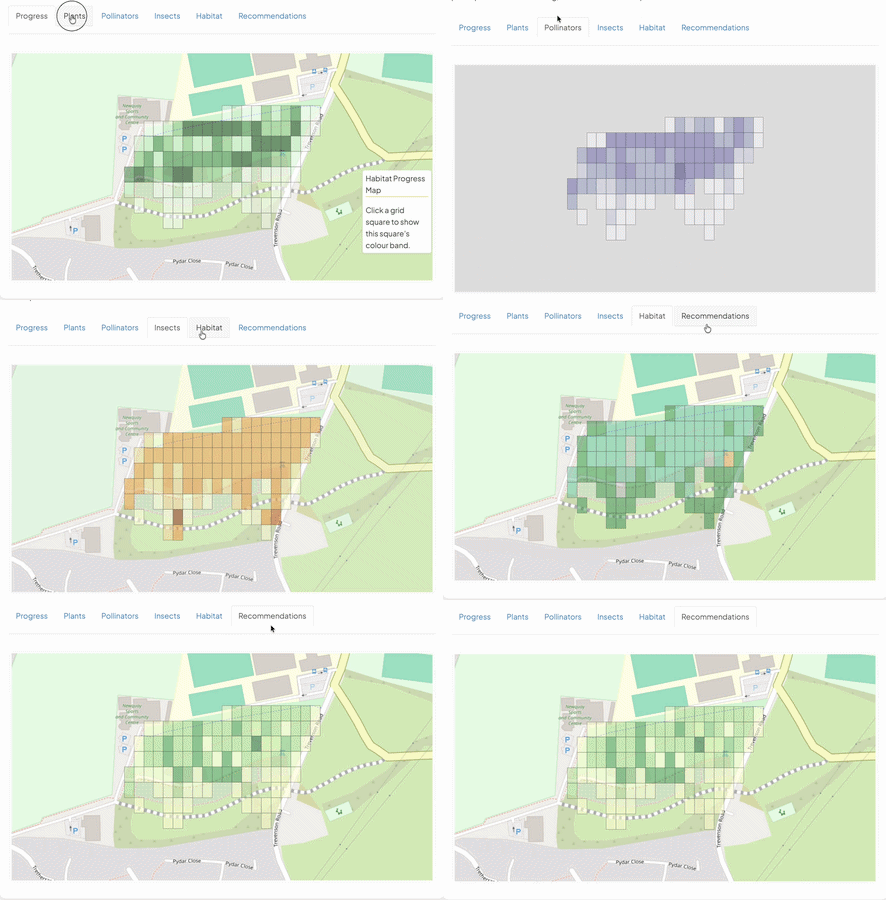
Floradex uses site data to produce a bespoke biodiversity widget dashboard of expandable grid cells, showing plant density and potential pollinator interactions, with recommendations on what to plant next based on soil pH.
Act
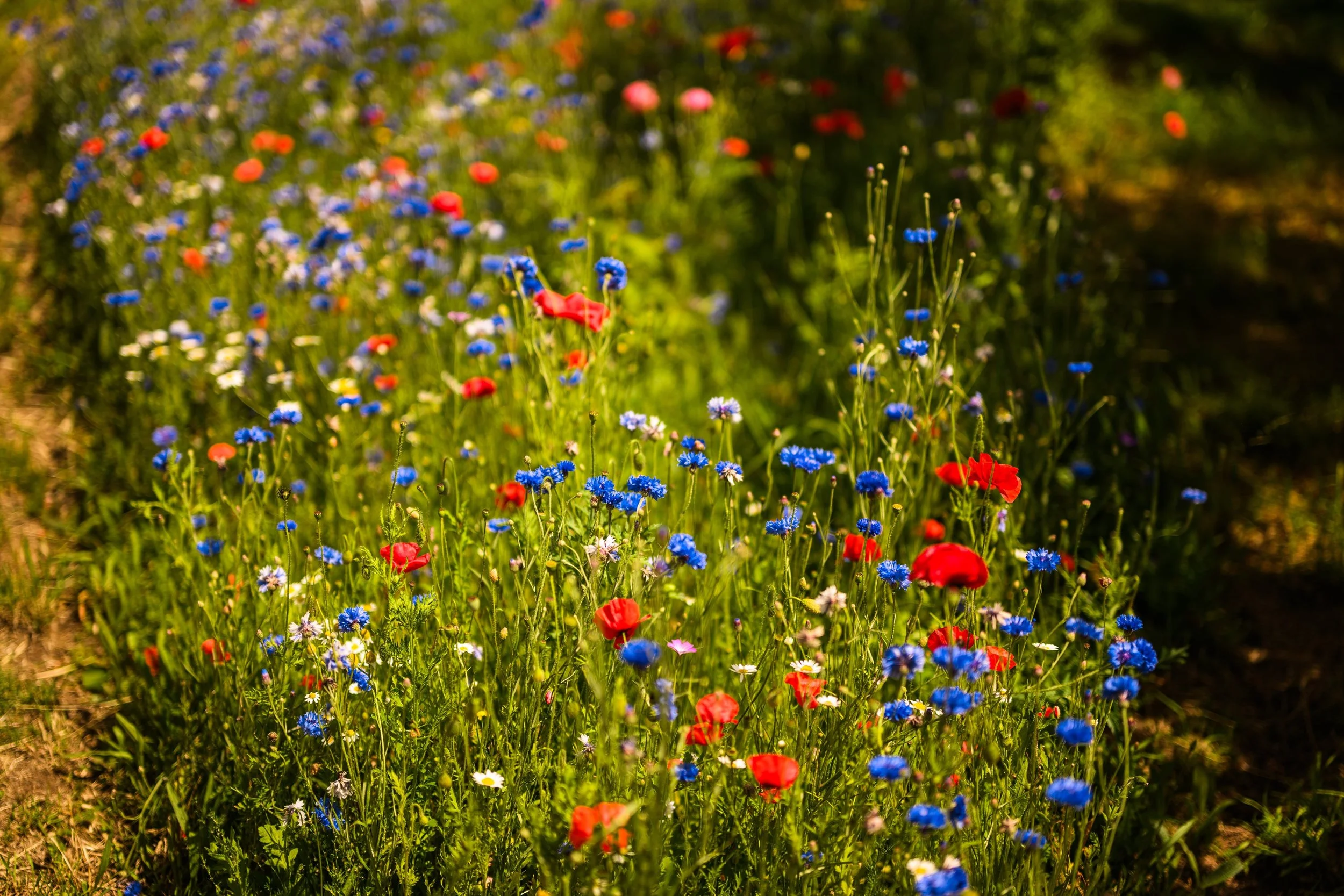
Using Floradex’s weighted data, we consult with you to design small-scale pollinator-friendly wildflower areas. These create vital habitats and food sources.
Engage
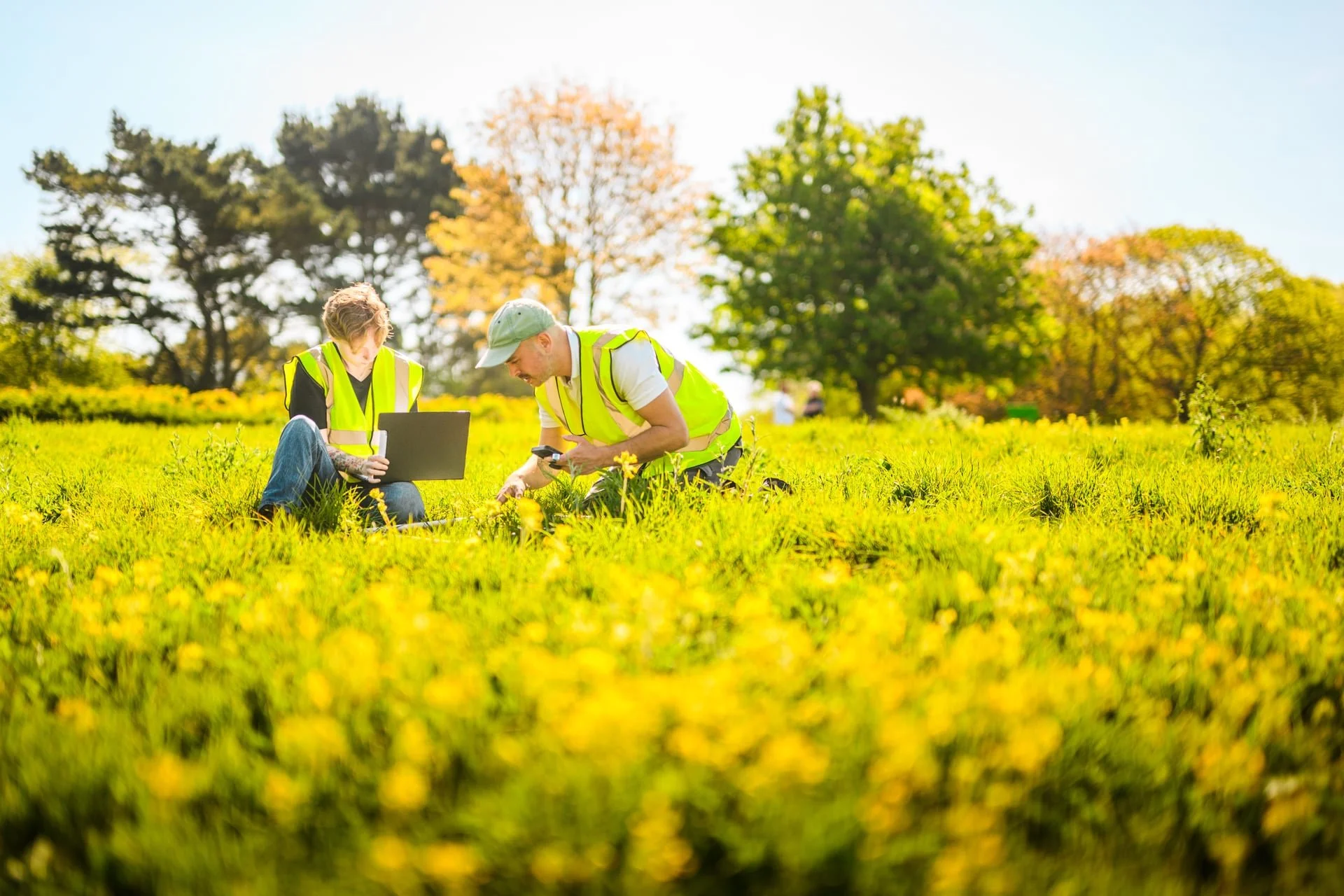
Facilitate regular sessions where community members directly participate in plant and insect monitoring, fostering education, environmental stewardship, and stronger connections to local ecosystems.
You can also communicate your biodiversity journey with customised signage.

What’s possible?
-
3 x site surveys (eg. April, June, August)
Receive biodiversity report: plant/insect presence & gaps
Get tailored planting recommendations
Strategic site consultation for planting opportunities
Optional Extra / Cost: Autumn planting (October)
-
Spring planting
3x site surveys to track seasonal changes (May, July, September).
Monitor planted areas for new species.
Updated biodiversity report and recommendations.
Consider signage to contextualise site improvements.
-
Receive training on how to monitor your site
Engage staff in ongoing monitoring
Build biodiversity into the site-wide strategy
Repeat surveys and planting cycle as needed
Continue growing your site’s ecological value
